


How the infrastructure planned by developers in expensive residential complexes becomes useless ballast

The infrastructure of any residential building, regardless of its scale, becomes unviable if it does not fulfill its function. And it doesn’t matter whether we are talking about a country house with a professional billiard table, at which no one plays, or about an Olympic swimming pool with an electronic scoreboard, where the owner does not enter for months. The same applies to residential complexes: even if hundreds of square meters are allocated for infrastructure, but no one uses it, it turns into a “dead zone.”
Functionality is when there are people in a room for a certain purpose: specialists, users, life. Dozens of old and new club houses and premium complexes are repeating the same mistake: the infrastructure was created “on paper”, but it is impossible to revive it in reality.
Decoration instead of function or driver's lobby
You can give examples of not the most viable solutions. Lobby bar in a residential complex on Bryusov Lane: a spacious 80-meter area where there is neither a bartender nor visitors. Children's playroom in the Stolnik residential complex on Levshinsky Lane: without children and even without toys. Luxurious massage rooms on Malaya Nikitskaya, 15 or in the Astris house on Kosygina, 21, although equipped with the latest technology, are idle. The reason is simple: each resident has his own massage therapist, and few are willing to walk in a bathrobe along the common corridors under the cells. Massage is an intimate affair. Many rooms for darts, squash or dancing also, alas, stand empty and are gradually falling into disrepair. A striking case is the Andreevsky residential complex on Frunzenskaya embankment. It was promoted as an exclusive project with a premium address, but in fact it turned out that the developer “Vedis” included excess space in it for hypothetical “life scenarios”, which as a result were never implemented.
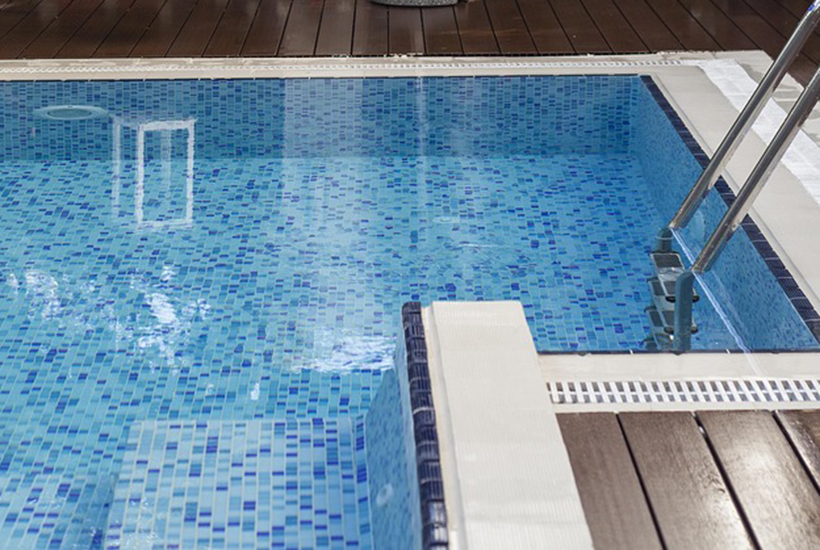
History shows: even 25 years ago, the first elite condominiums in the spirit of the American model, for example, the Agalarov House residential complex on Bolshaya Gruzinskaya, 19 or the Alfa Group projects in Maly Afanasyevsky, attracted people with swimming pools and saunas. Over time, however, it became clear that without proper maintenance and the involvement of residents, such facilities quickly lose their relevance. Some owners refuse to pay for common areas, especially those who fundamentally do not use them or avoid “common use” for reasons of privacy. Such cases increased the distrust of buyers in redundant infrastructure, and they began to demand only what is really necessary and useful.
For example, a potential “place of friendly meetings” is a carefully equipped lobby in a residential complex – turns into a seating area for drivers
“To the garden, to the garden! – Will you sing there? “No, you will listen there!” – one can say with bitter irony about many lobbies and public areas where the infrastructure functions, in fact, only as decoration. And even worse. For example, a potential “place for friendly meetings” is a carefully equipped lobby in a residential complex – turns into a driver's gathering area. Conversations about the owners take place in front of everyone, although it would seem that there is often a dedicated room for drivers for this purpose, so that gossip about passengers remains “behind the scenes.”
Dictated by the city: the will of the authorities vs the requests of buyers
What kind of infrastructure is in demand in luxury homes? For example, premises for teachers to teach children. We first proposed introducing such functional premises 15 years ago in a project at 21 Kosygina, and they quickly took root. Today, such rooms have become the standard for premium and luxury residential complexes, because they are truly in demand and functional.

Has the approach to infrastructure changed in recent years? Not always for the better. Developers, when obtaining construction permits, are increasingly faced with strict recommendations from city authorities: there must be social infrastructure facilities on the first floors of residential complexes. In one of the new luxury projects near Chistye Prudy, this led to the emergence of dry cleaning and catering, despite the fact that the area for them turned out to be insufficient for commercial sustainability, and the format was far from the expectations of the target audience.
Today, the buyer is ready to pay only for what really works
To summarize, I note that in conditions of high competition for a client with a high check, those who test hypotheses, flexibly change the purpose of the premises and focus win not on the number of square meters, but on their real demand. Today, the buyer is ready to pay only for what really works: not for “extra”, but for what is necessary and effective.
At Elite.ru There is a channel on Telegram.
Subscribe!